

16 July 2026
Bangchak Group and Thai Airways Join Forces to Shape a Sustainable Sky First Supply of Thailand-Produced HEFA-SPK SAF to a Thai Airways Flight
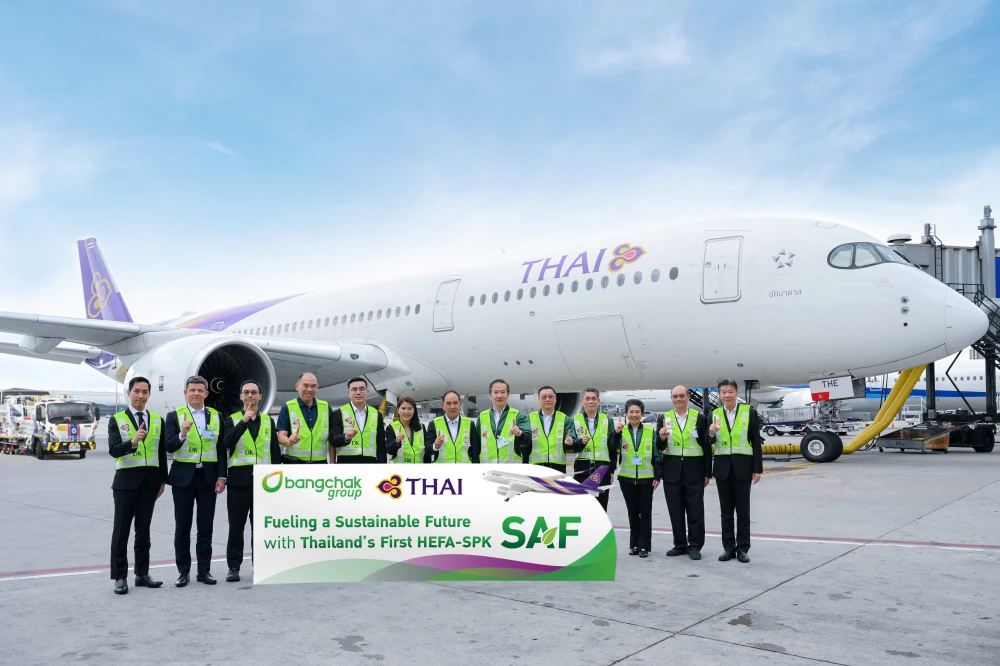
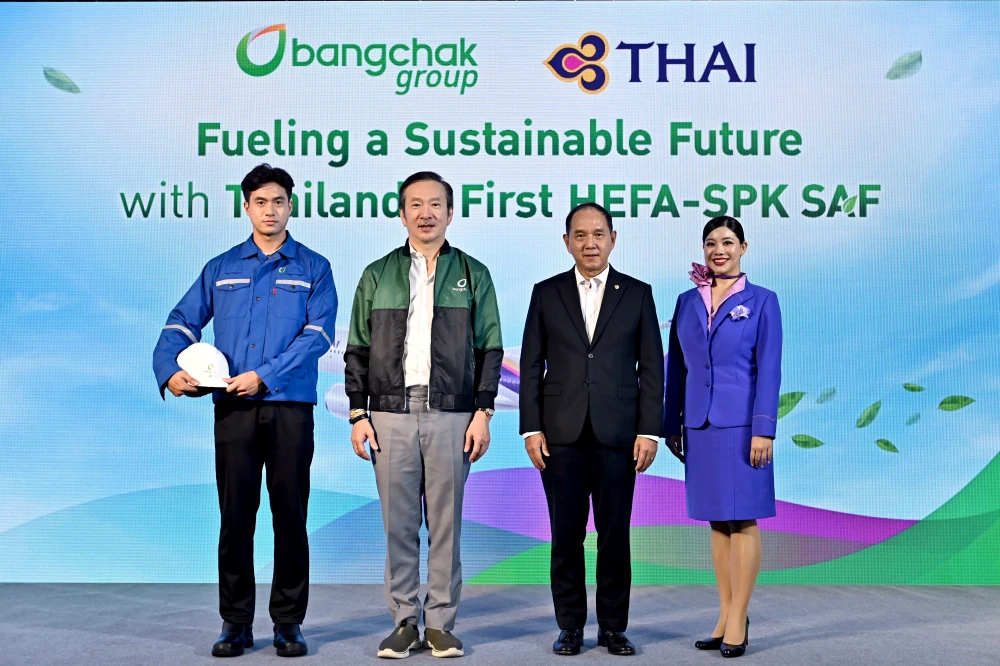
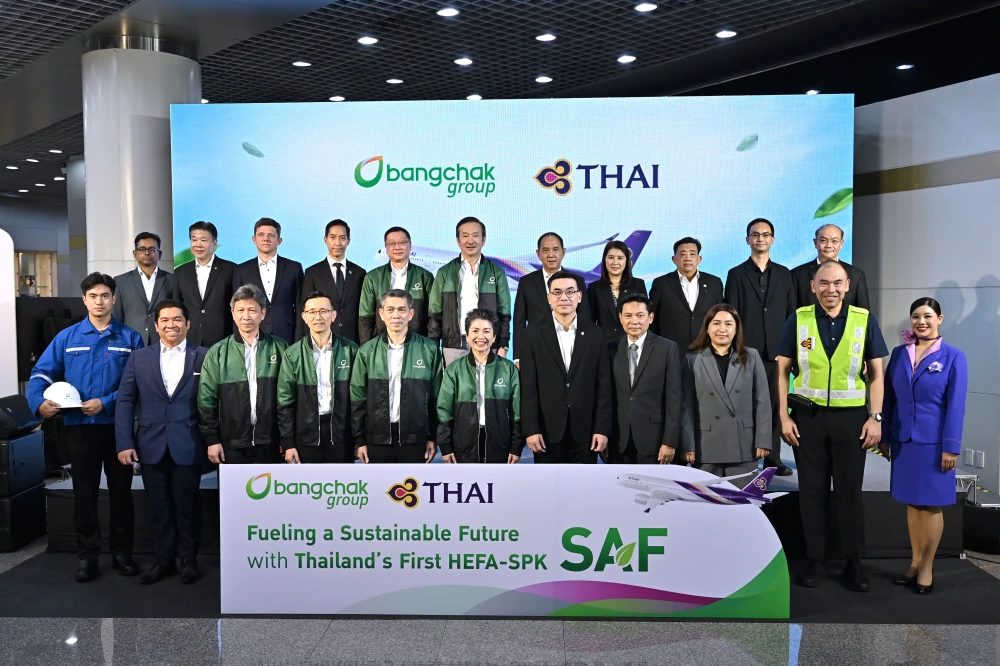
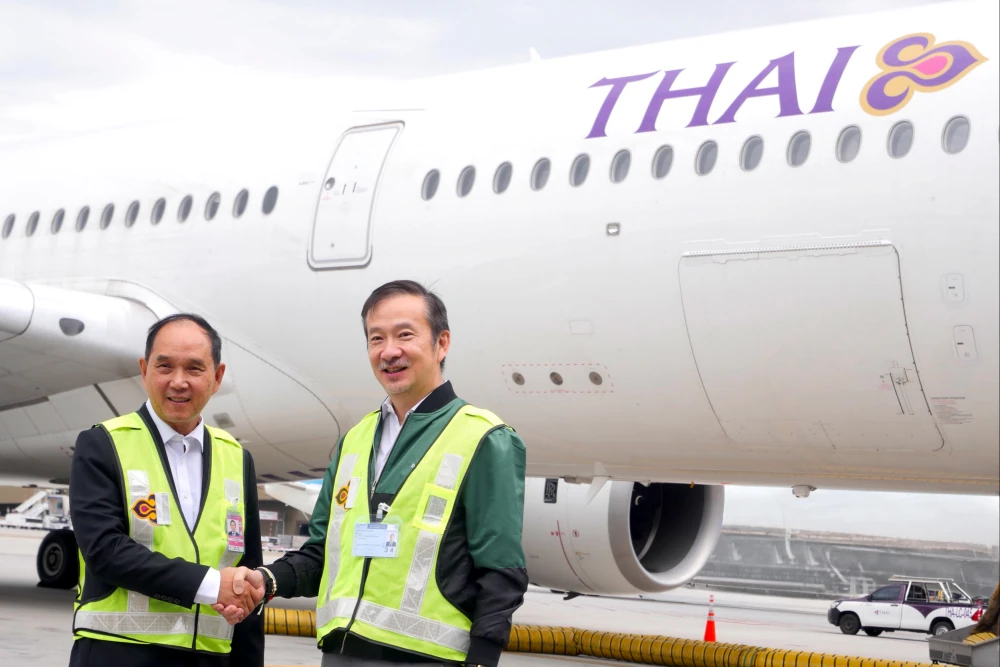
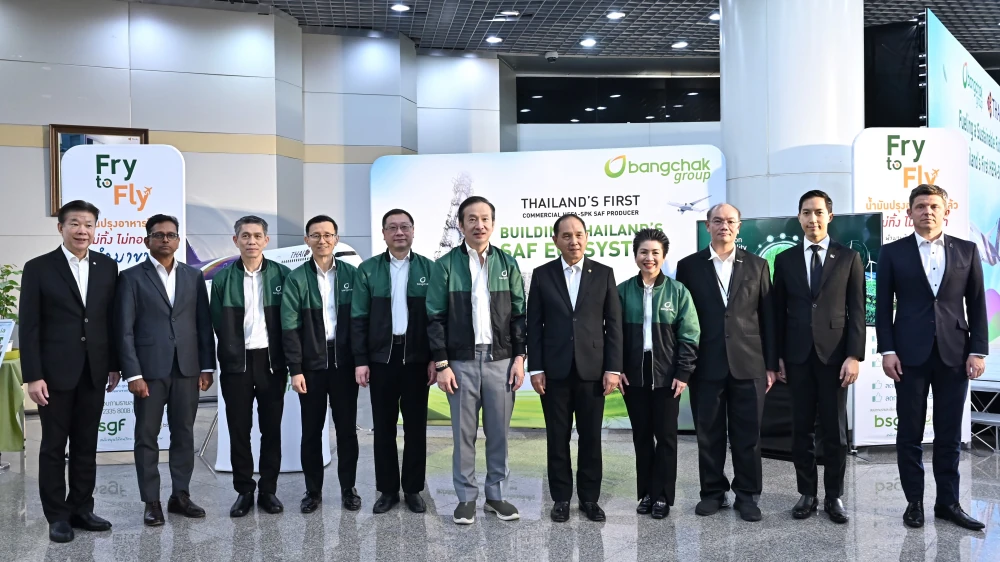
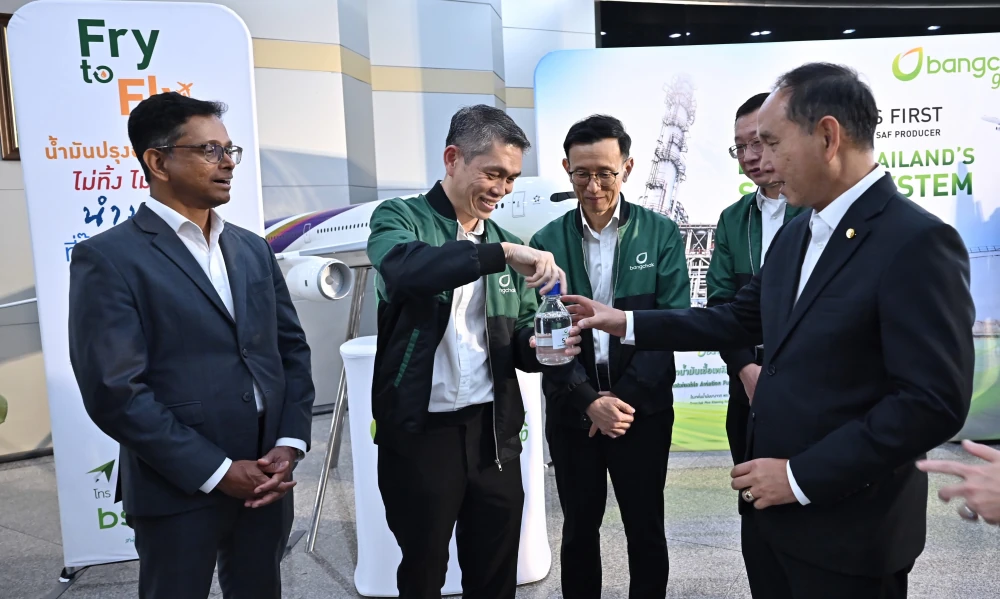
Bangchak Group and Thai Airways International Public Company Limited have marked a significant milestone for Thailand’s aviation and energy industries with the first supply by Bangchak Group of Thailand-produced HEFA-SPK sustainable aviation fuel (SAF) to Thai Airways flight TG 409 on the Bangkok–Singapore route at Suvarnabhumi Airport. This landmark collaboration between two leading Thai organizations supports efforts to reduce greenhouse gas emissions from aviation and accelerate the energy transition toward Net Zero.
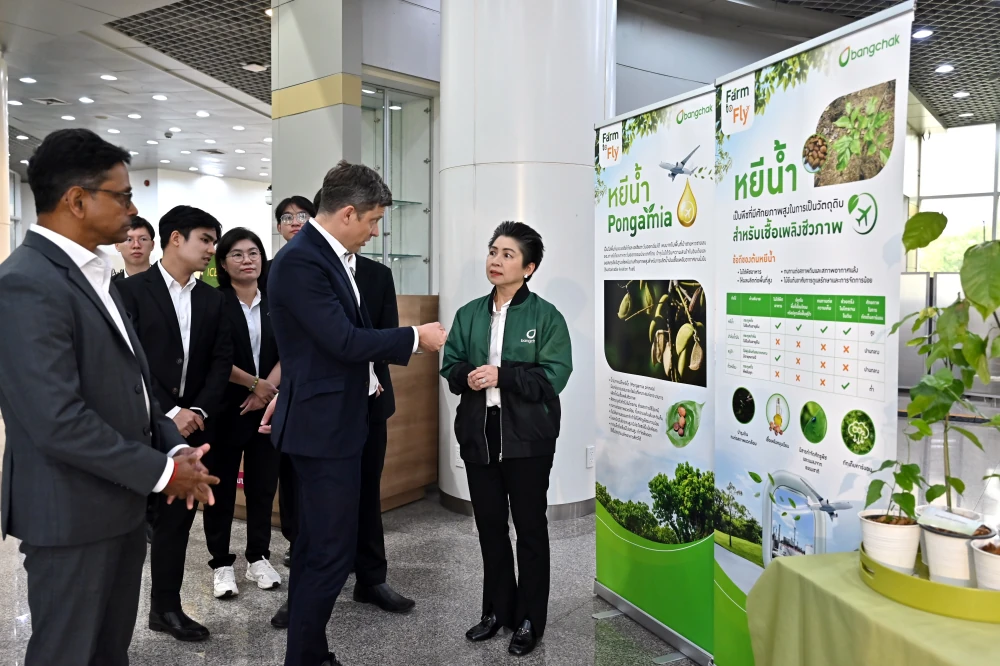
The HEFA-SPK SAF used for this flight was produced at Thailand’s first stand-alone SAF production facility, operated by Bangchak. The facility commenced commercial operations in May 2026, with an initial production capacity of one million litres per day. Used cooking oil serves as the primary feedstock. Compared with conventional aviation fuel, the SAF can reduce greenhouse gas emissions by up to 80% over its life cycle. The production and supply system is certified under the internationally recognized ISCC CORSIA and ISCC EU standards.
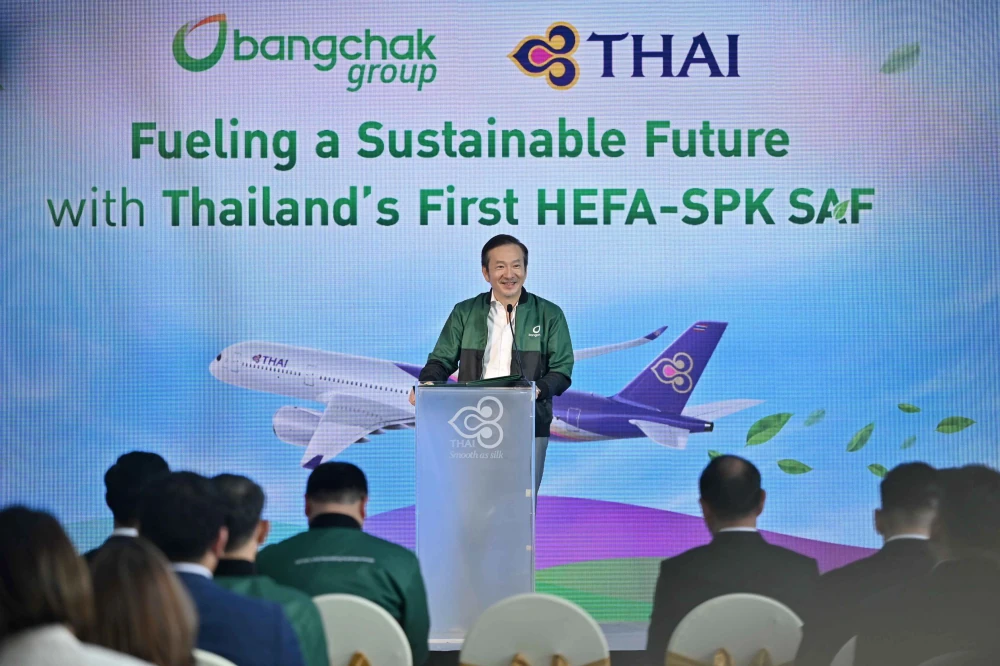
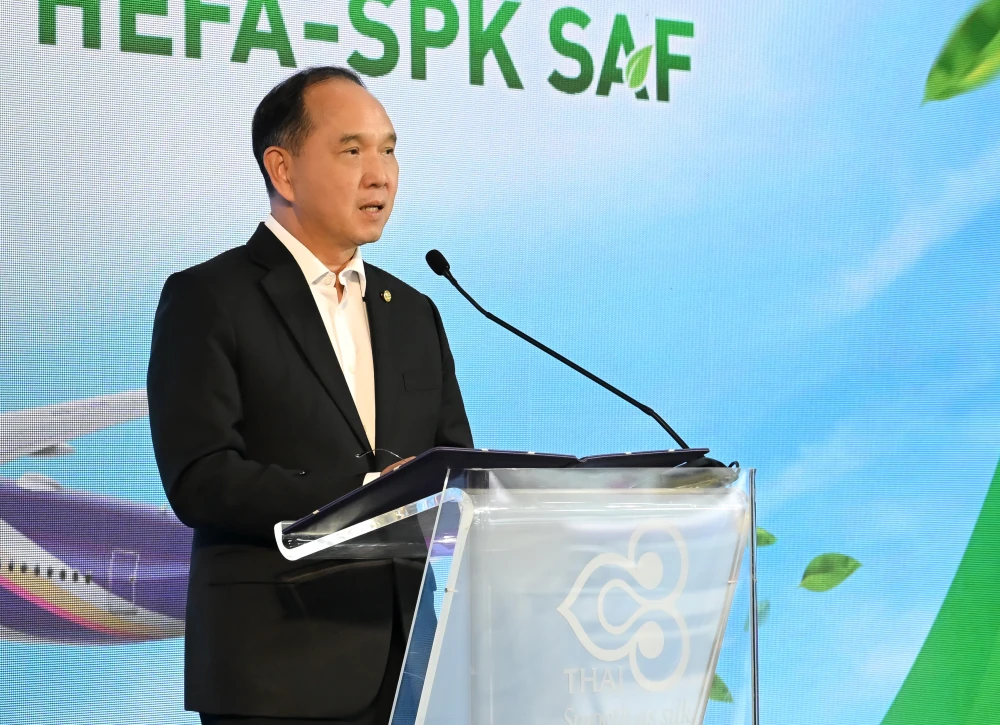
Mr. Chaiwat Kovavisarach, Group Chief Executive Officer and President, Bangchak Corporation Public Company Limited, said: “The global aviation industry is undergoing a significant transition, with SAF serving as a key mechanism for reducing greenhouse gas emissions. This collaboration between Bangchak Group and Thai Airways not only marks the first use of Thailand-produced HEFA-SPK SAF by Thai Airways, but also demonstrates Thailand’s readiness to move toward a low-carbon aviation industry. This aligns with the direction of the global aviation sector and creates new business opportunities while supporting long-term greenhouse gas emission reductions.”
Over the past few years, I have had opportunities to exchange views with executives from many countries through Bangchak Group’s membership of the World Economic Forum. While countries differ in their readiness and approaches, one message has been consistent: SAF can scale only when private-sector investment is supported by clear government direction and policy. Producers need visibility on market demand, while users need confidence in availability, pricing and the conditions governing SAF use. Clear targets and timelines will enable all parties to make long-term plans in the same direction.
For Thailand, establishing clear adoption targets and timelines would strengthen confidence among both producers and users while encouraging greater use of domestically produced SAF. Bangchak Group will continue working with partners in Thailand and internationally to develop the SAF ecosystem, promote the use of circular feedstocks and create greater value from Thailand’s biological resources, one of the country’s key strengths. These efforts will support GDP growth, create jobs and promote sustainability, strengthen energy security and expand business growth opportunities while delivering long-term reductions in greenhouse gas emissions.”
Mr. Chai Eamsiri, THAI Chief Executive Officer, said: “Driving sustainable growth in the aviation industry requires collaboration from all sectors across the entire supply chain, including energy producers, aviation service providers, regulatory authorities, airlines and all relevant partners. The use of sustainable aviation fuel produced in Thailand on this occasion demonstrates the country’s capability to jointly develop a strong energy and aviation ecosystem that is ready to support the aviation industry’s transition toward a sustainable future.”
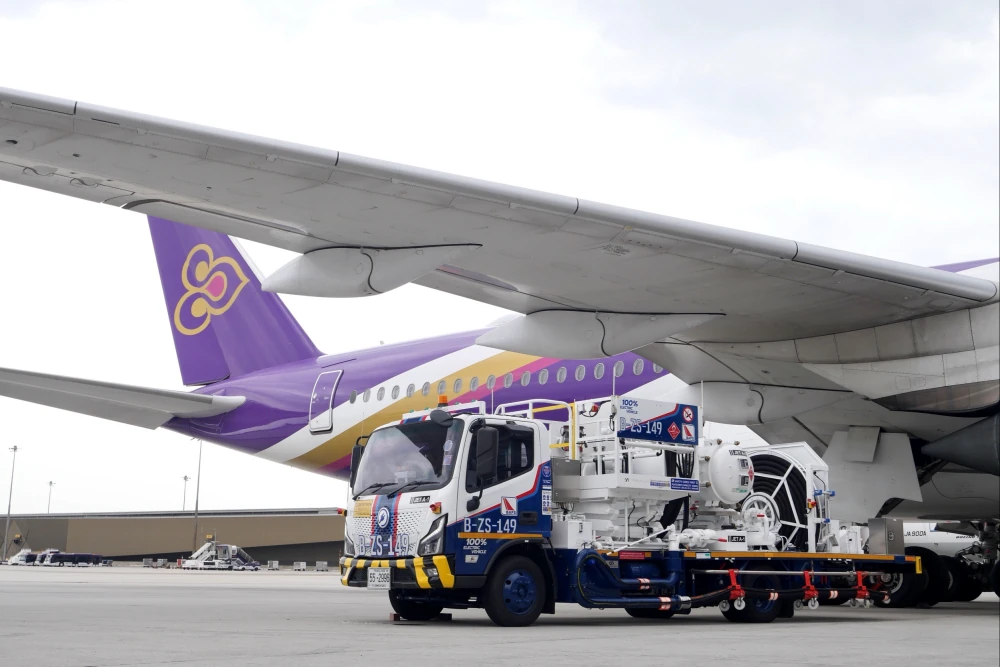
The HEFA-SPK SAF was transported from the Bangchak Refinery in Phra Khanong to Suvarnabhumi Airport via the pipeline system operated by Bangkok Fuel Pipeline and Logistics Company Limited (BPT). It was delivered to the aviation fuel depot operated by Bangkok Aviation Fuel Services Public Company Limited (BAFS) at Suvarnabhumi Airport before entering the aircraft refuelling system under the same standards applied to conventional aviation fuel.