



24 July 2026
Game Changer
Chaiwat Kovavisarach and Bangchak’s Transformation Journey
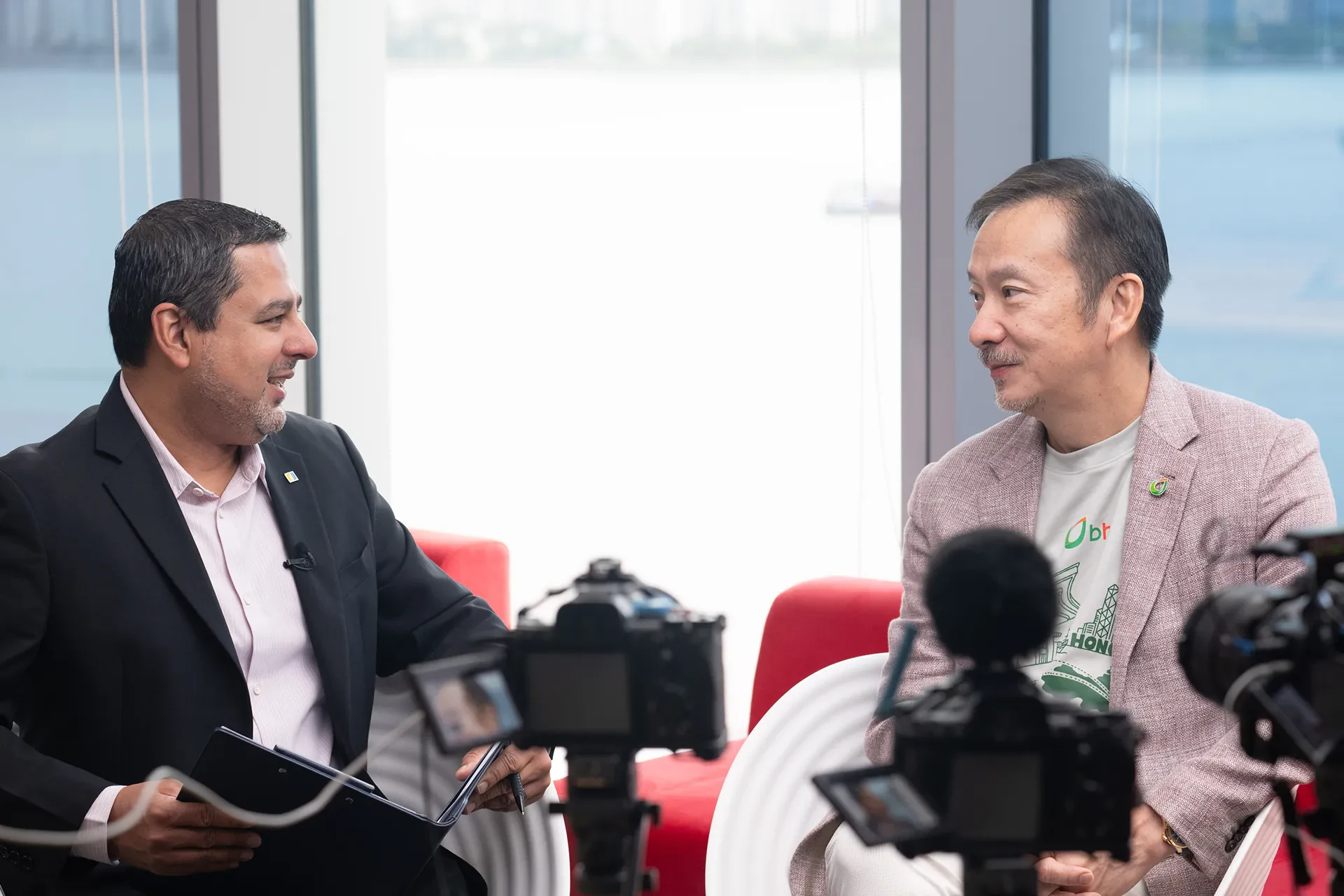
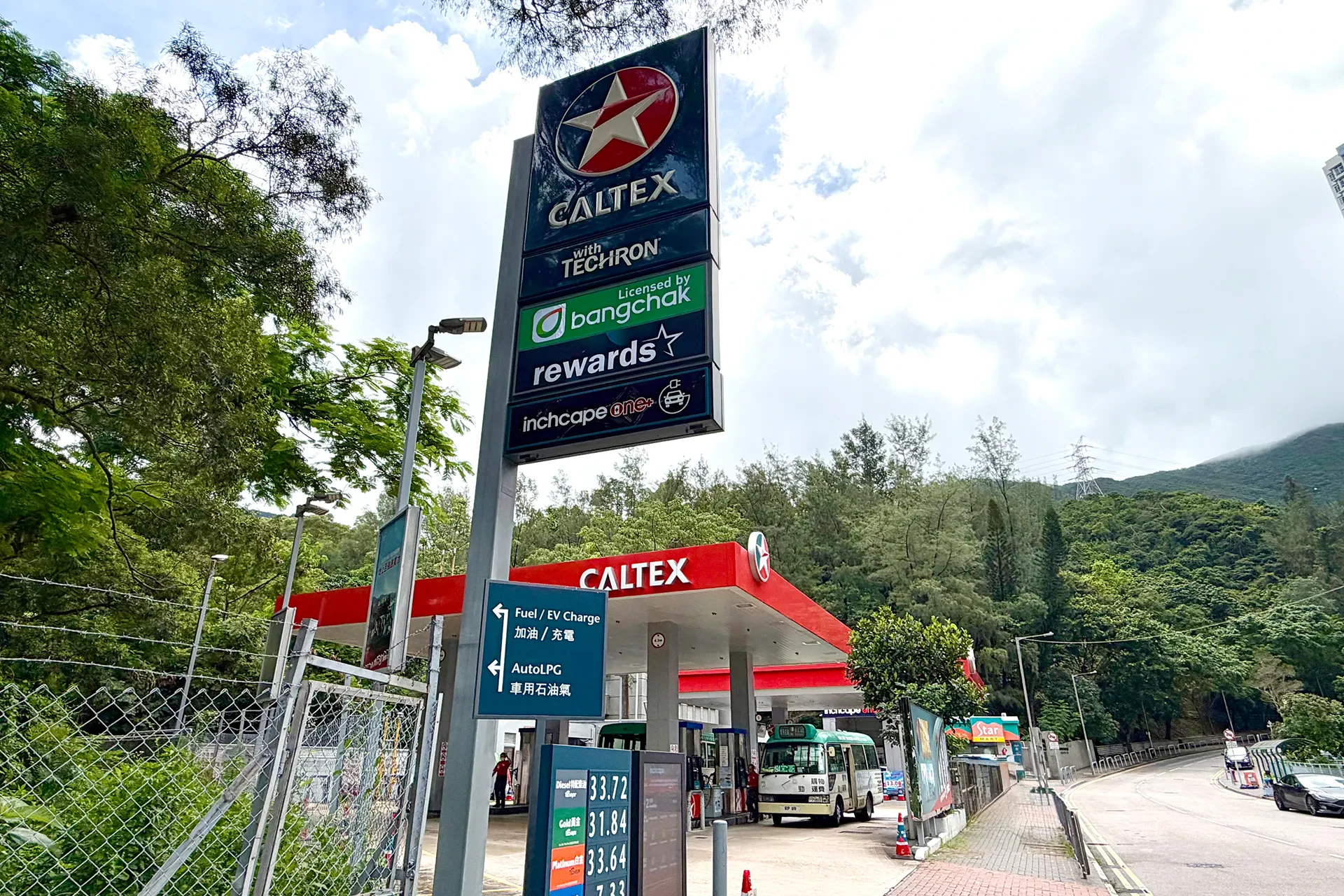
Following the recent acquisition of Chevron Hong Kong, now Bangchak Hong Kong (BHK), Chaiwat Kovavisarach, Group Chief Executive Officer and President of Bangchak Corporation Public Company Limited, spoke to the South China Morning Post (SCMP), Hong Kong’s leading English-language newspaper, for its C-Suite Game Changers series. Interviewed by Prachish Chakravorty, Managing Director of SCMP Intelligence, he discussed the transformation of the energy business, leadership and Bangchak’s direction in a rapidly changing energy landscape.
The interview offered many thought-provoking insights. In this issue, Bangchak Reflections shares some of its highlights.
Although the interview began with Bangchak Hong Kong, the interviewer’s first question took the conversation back more than two decades, to Chaiwat’s initial involvement with Bangchak during the Asian financial crisis, known in Thailand as the “Tom Yum Kung crisis”.
At the time, Bangchak was heavily indebted, generated very little cash and was widely regarded as being on the verge of closure. Chaiwat did not join as an executive; he was an investment banker engaged to help find a way to restructure the company financially.
One initiative he recalled with pride was the issuance of Thailand’s first Depository Receipt (DR), a financial innovation that played an important role in Bangchak’s restructuring, enabling the company to recover and emerge from the Tom Yum Kung crisis.
For Chaiwat, however, the turnaround was only the beginning. The real challenge was to enable Bangchak to grow and remain competitive over the long term.
He returned to Bangchak in 2012 as a member of the Board of Directors, before being appointed President and Chief Executive Officer in 2015 and assuming his current role in 2022. His task had clearly shifted from “turnaround” to “growth”.
Asked what he initially believed Bangchak needed in order to compete in the global energy market, his answer was not a major investment or business expansion. It was agility.
Chaiwat acknowledged that Bangchak was not the largest company and could not compete on scale. What it did possess was agility: the ability to adapt and make decisions quickly.
For him, agility is not simply about speed. It means making the fullest use of available resources, keeping pace with change and having the courage to decide both when to invest and when to divest.
One example he gave was improving refinery utilisation from approximately 75 per cent to sustained operation at full capacity. What began as an effort to improve refinery performance gradually became an approach to enhancing the capabilities of the entire organisation.
The results of those decisions are evident in the numbers. Bangchak Group’s revenue grew from approximately THB 120 billion more than a decade ago to nearly THB 700 billion, an increase of around fivefold.
He explained that this was more than growth; it was “quite a journey and quite a learning process”.
Throughout the interview, he returned several times to one phrase: “Transformation is a journey.”
For Chaiwat, corporate transformation is neither a one-off event nor the outcome of a single decision. It is a continuing process of learning, adapting and deciding.
This thinking is reflected in Bangchak’s investments over the past decade and more: from renewable energy and an early move into lithium mining, at a time when few were thinking about it, to the development of Sustainable Aviation Fuel (SAF).
He has consistently maintained that the challenge facing today’s energy business is to balance energy security, affordability and environmental sustainability. All three must progress together.
Bangchak has therefore invested in technologies and products that reduce greenhouse gas emissions while making the most efficient use of existing infrastructure, including refineries, transport systems and service stations. Chaiwat believes that change can take place in practice only when it is commercially viable.
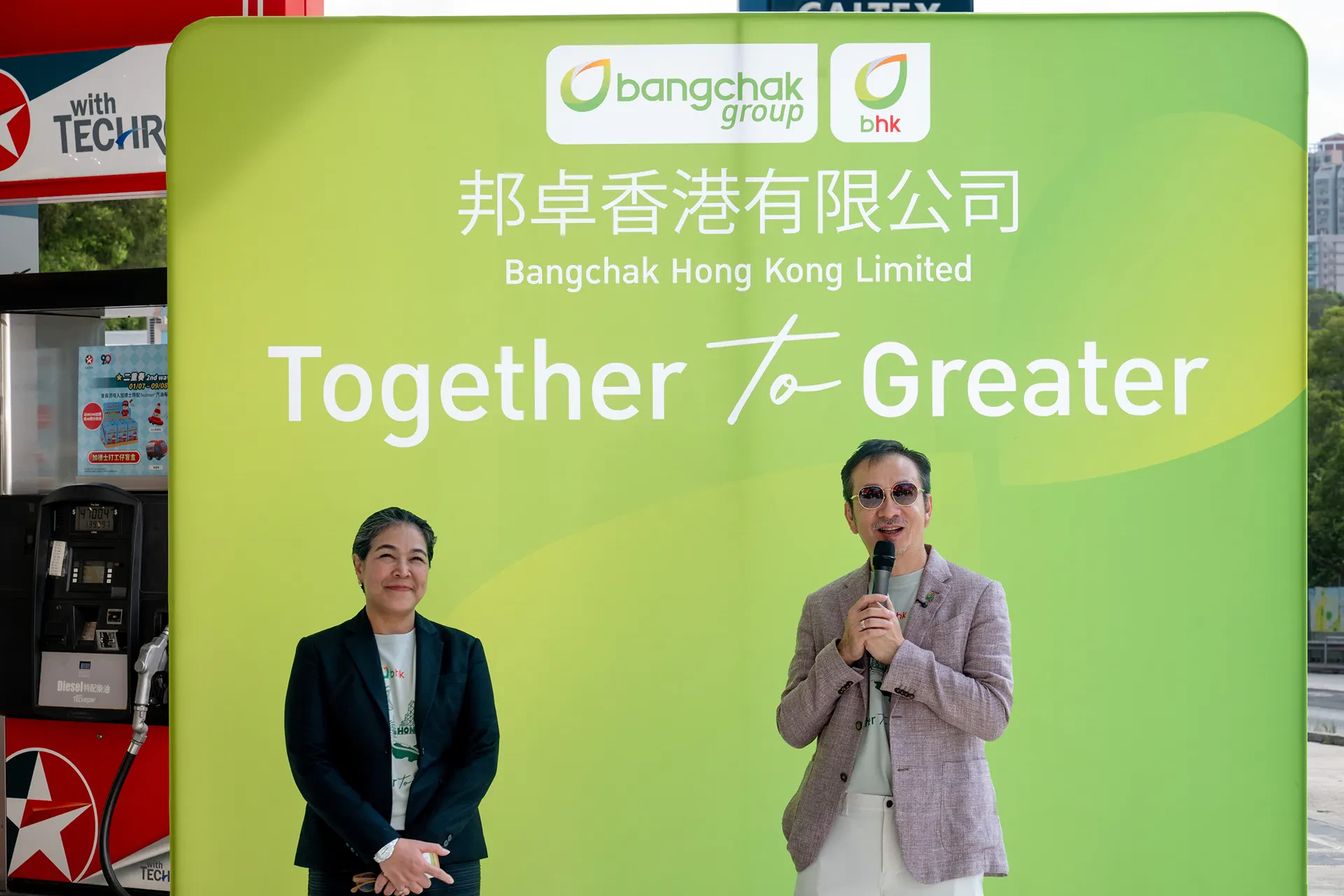
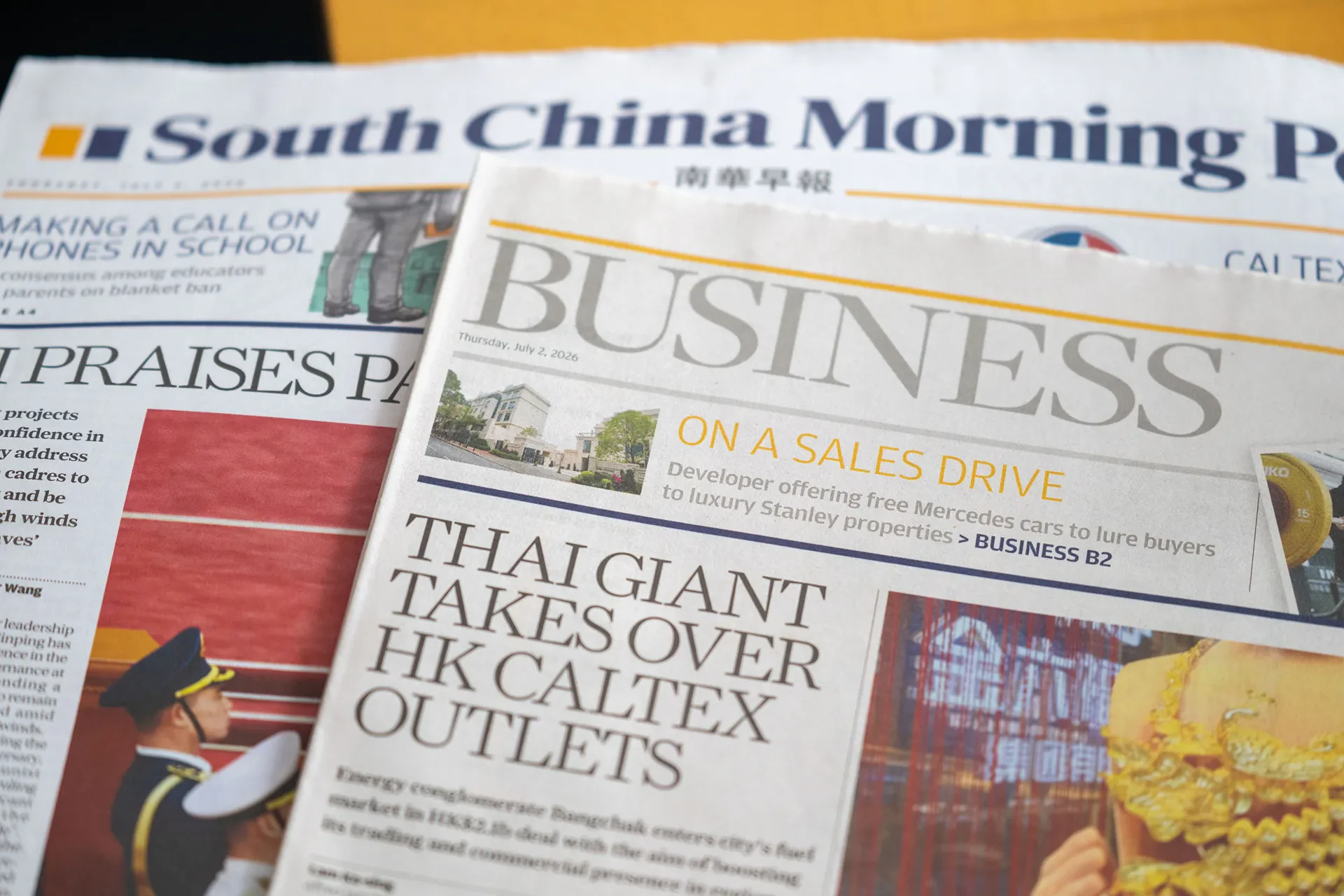
The same principle also explains Bangchak’s investment in Hong Kong and the establishment of Bangchak Hong Kong.
For Chaiwat, Hong Kong is more than a new market. It is a regional centre for finance, aviation, shipping and transport, with a strong legal system and capital market, as well as an important gateway to North Asia.
More importantly, it offers Bangchak an opportunity to build on its experience in low-carbon energy, including SAF, Renewable Diesel (HVO), Marine Biofuels and electric vehicle infrastructure, in line with Hong Kong’s future energy development.
Asked about the most important lesson he had learnt as a leader, Chaiwat’s answer was simple and emphatic:
“Nobody makes all the right decisions. You learn from your mistakes and make sure you do not repeat them. It is important to make a decision, because not making one is a bigger risk.”
He explained that mistakes cannot be avoided altogether. His own early investments were not all successful, but he learnt from them and did not repeat the same mistakes. The important thing is to learn through the process, decide and move on to the next one.
For an organisation seeking growth, transformation may never end, and decision-making will always be part of that journey.
Towards the end of the interview, the interviewer asked how he would like people to remember him as a “Game Changer”. Chaiwat did not point to his achievements or accomplishments. He simply said that it was for others to decide what they thought of him.
Instead, he spoke of something more straightforward: waking up every morning and genuinely enjoying his work. He believes that every one of us has our own value and our own way of making things happen.
Perhaps that is what being a “Game Changer” truly means to Chaiwat: enjoying the journey, learning from every decision and creating change in his own way.
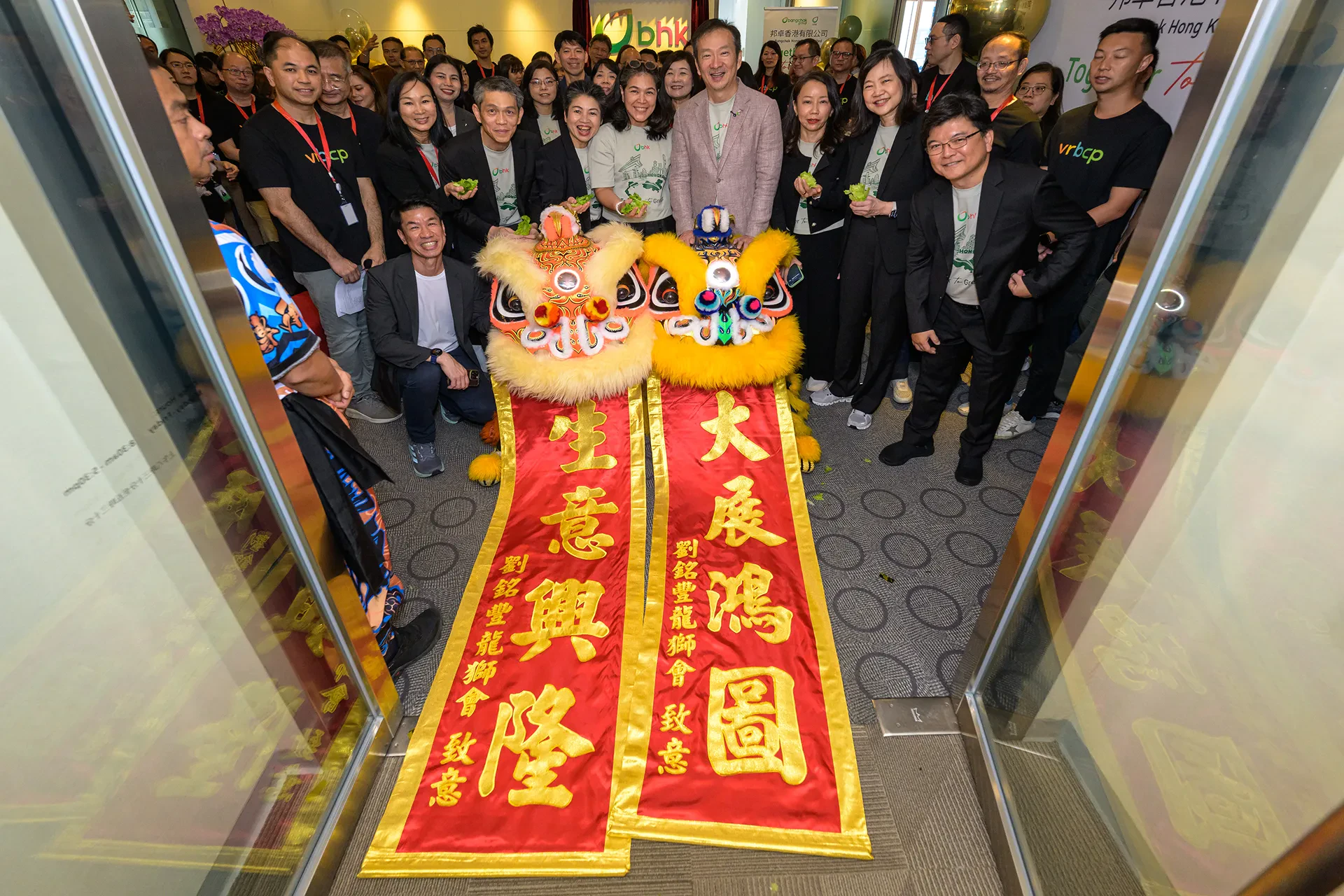
Visit scmp.com for the full interview and article.