
13 November 2026
10 Years of BCPT: A Decade of Trust, A Future of Growth
From a Decade of Trust to New Opportunities in the Global Energy Market
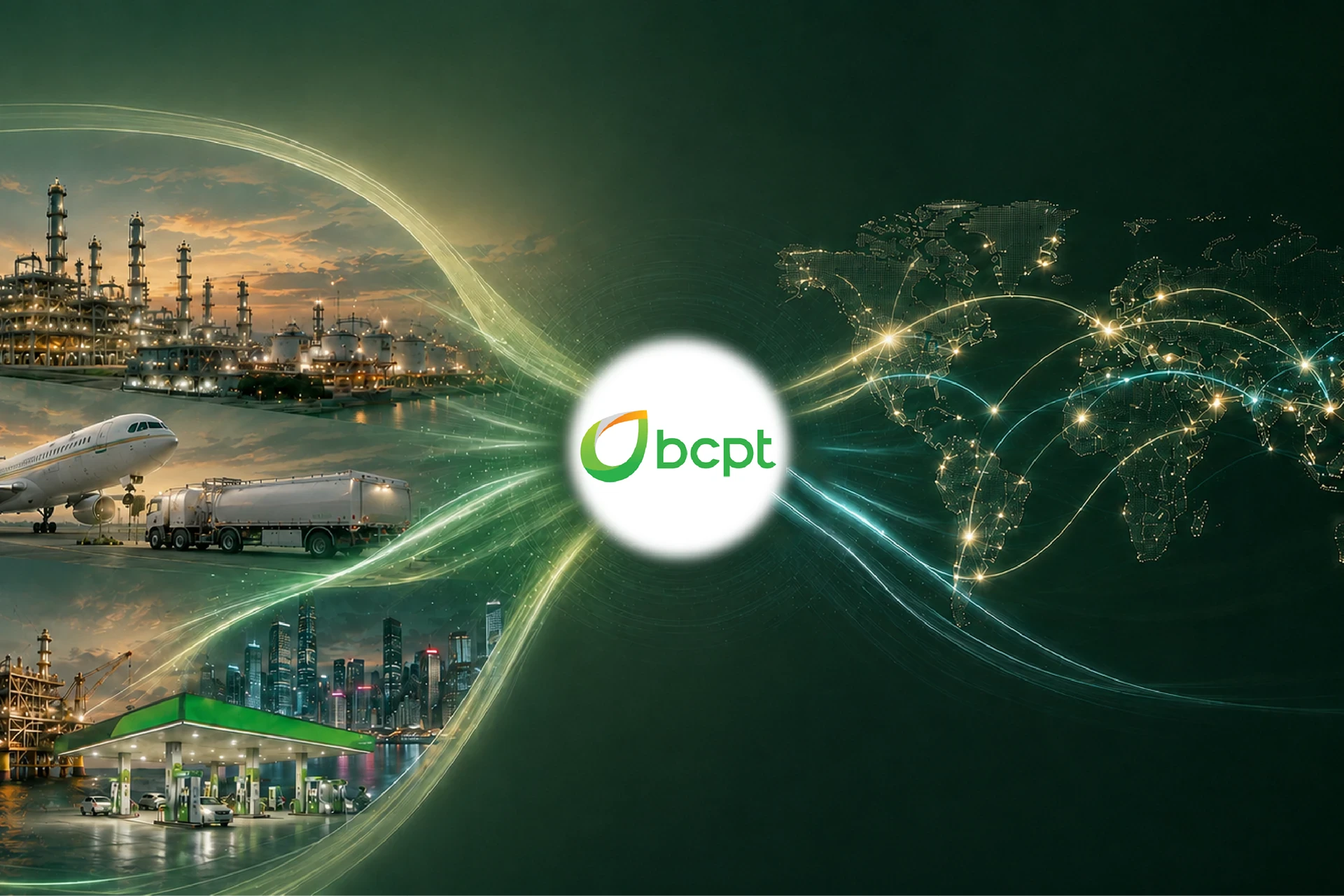
Securing a steady supply of crude oil to keep refineries running requires extensive work behind the scenes. This includes closely monitoring developments in global energy markets, negotiating with trading partners and preparing contingency plans when geopolitical tensions disrupt trade and shipping. Such work calls for expertise, experience, strong trading networks and credibility built over time.
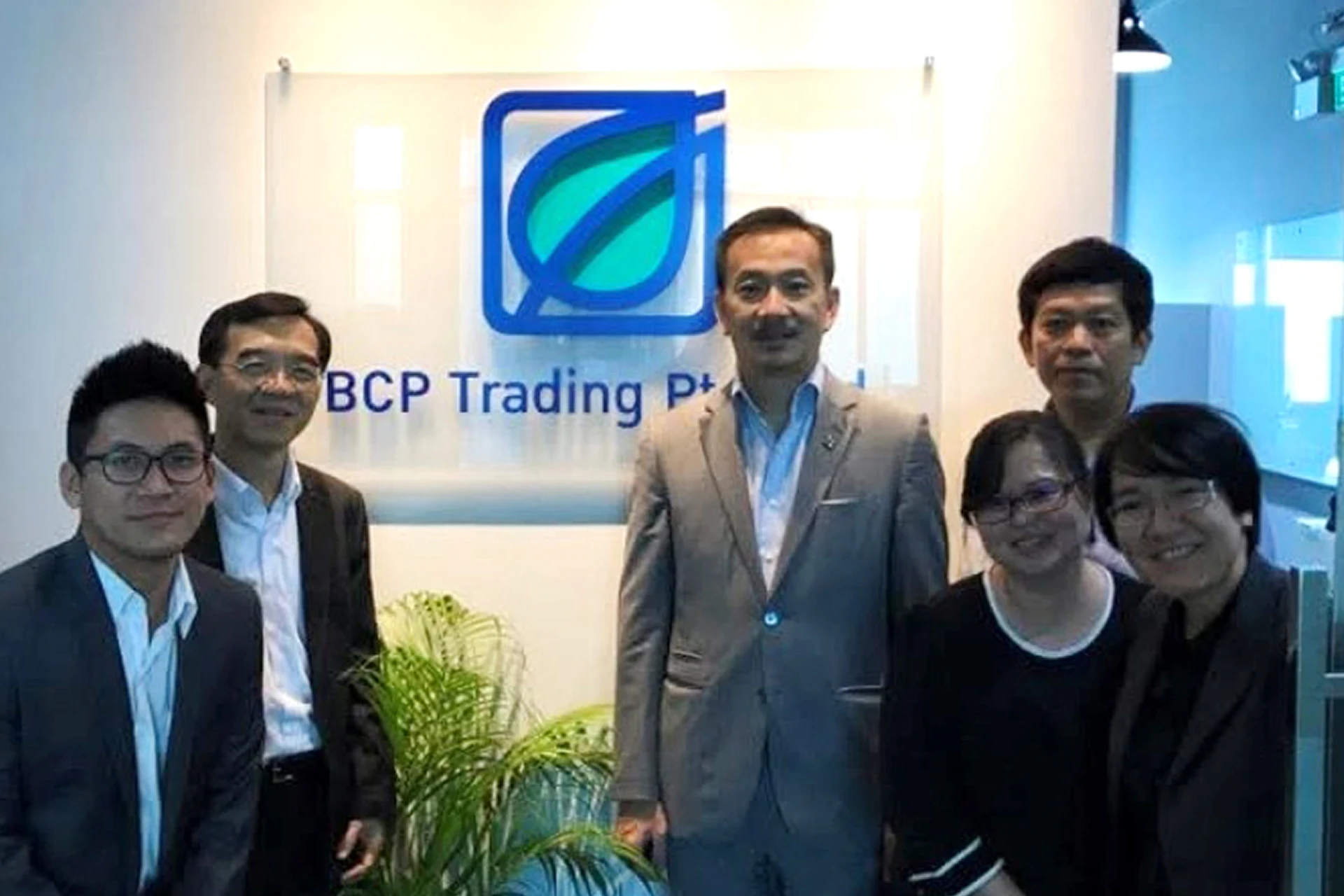
One of the key companies supporting these operations is BCP Trading Pte. Ltd. (BCPT), a Bangchak Group affiliate established in Singapore in 2016. BCPT initially focused on sourcing crude oil for the Bangchak Phra Khanong Refinery before expanding operations to serve the Bangchak Sriracha Refinery. The company later broadened trading activities to include crude oil and petroleum products in the wider market. By the end of 2025, trading volume had grown to nearly 20 times the level recorded in 2017, when commercial operations began.
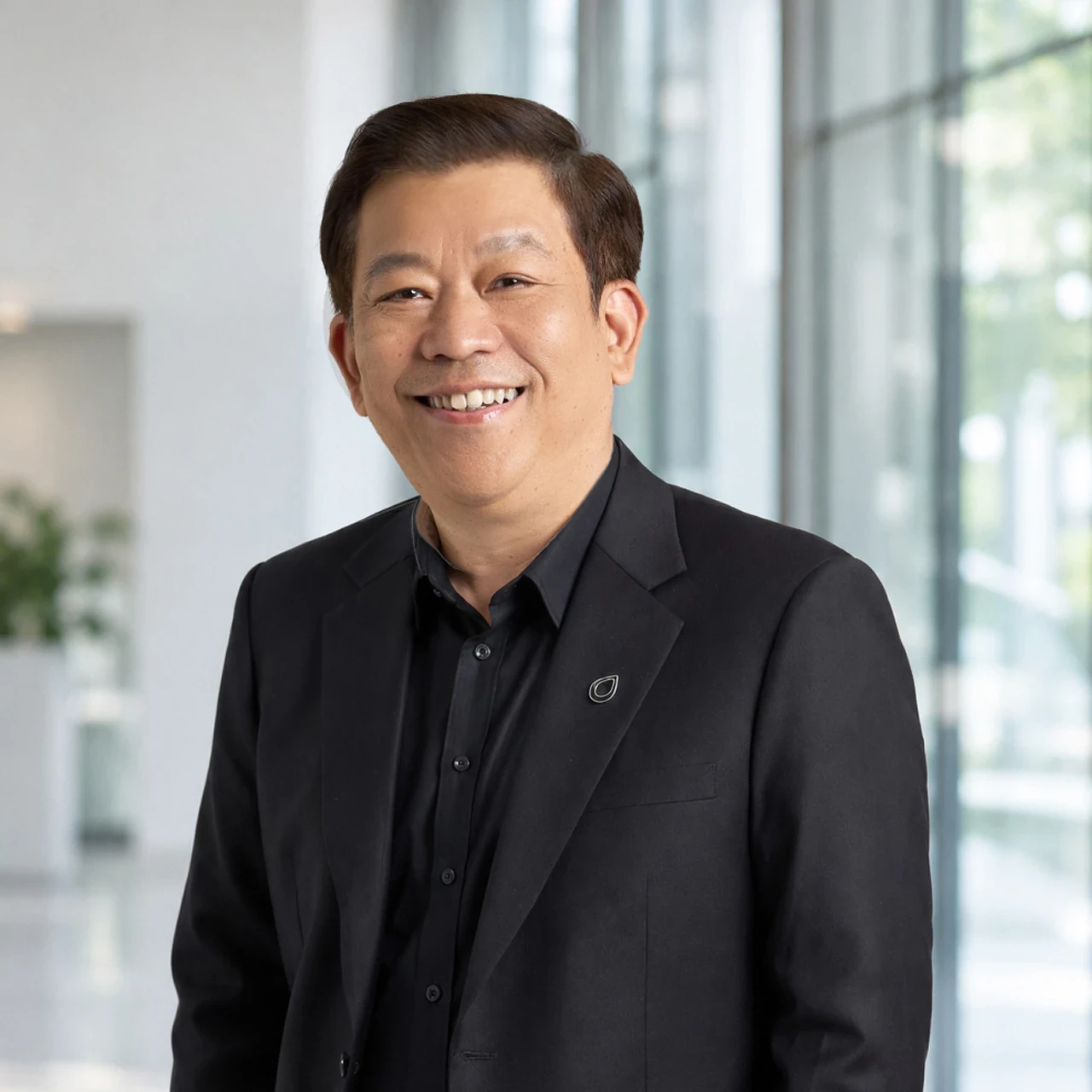
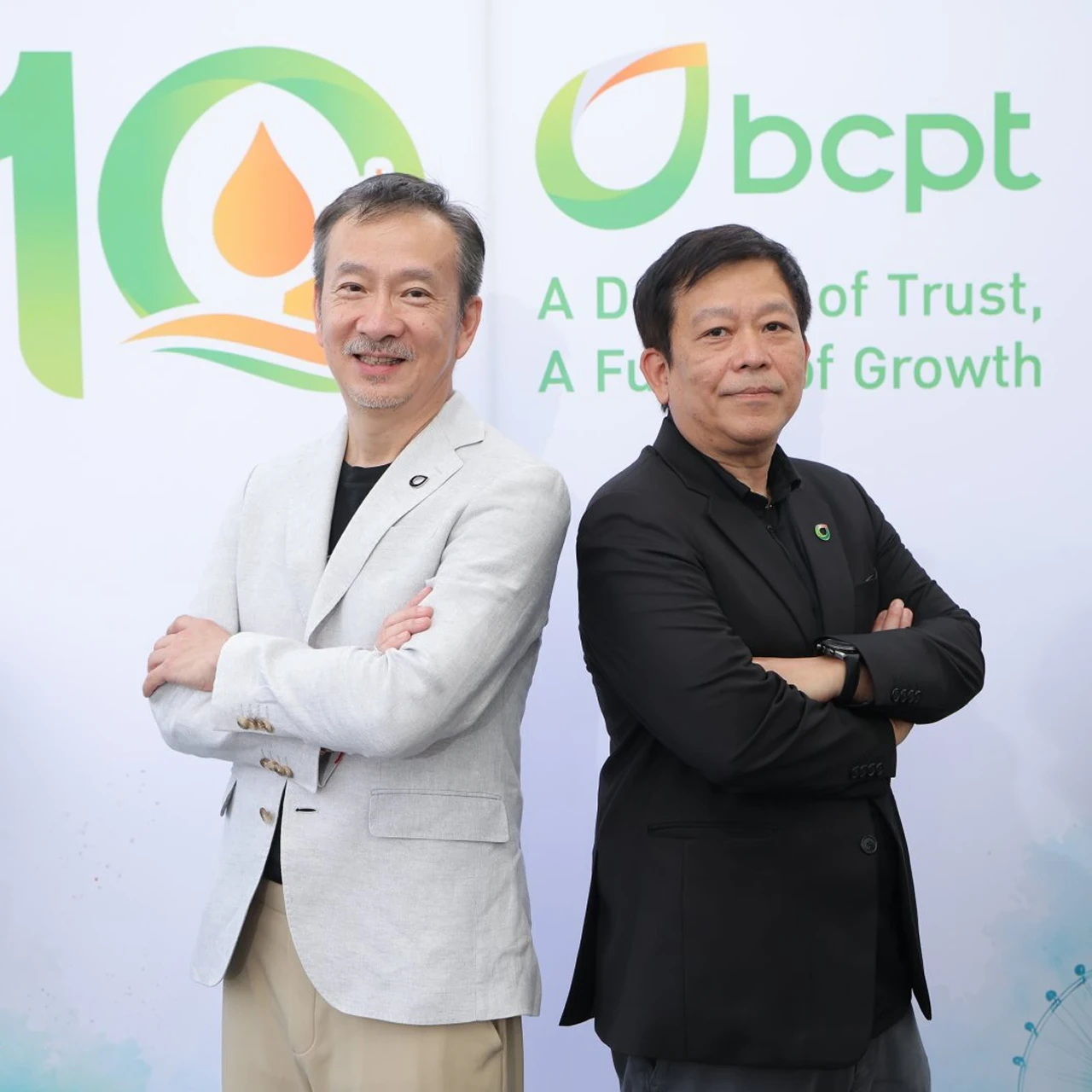
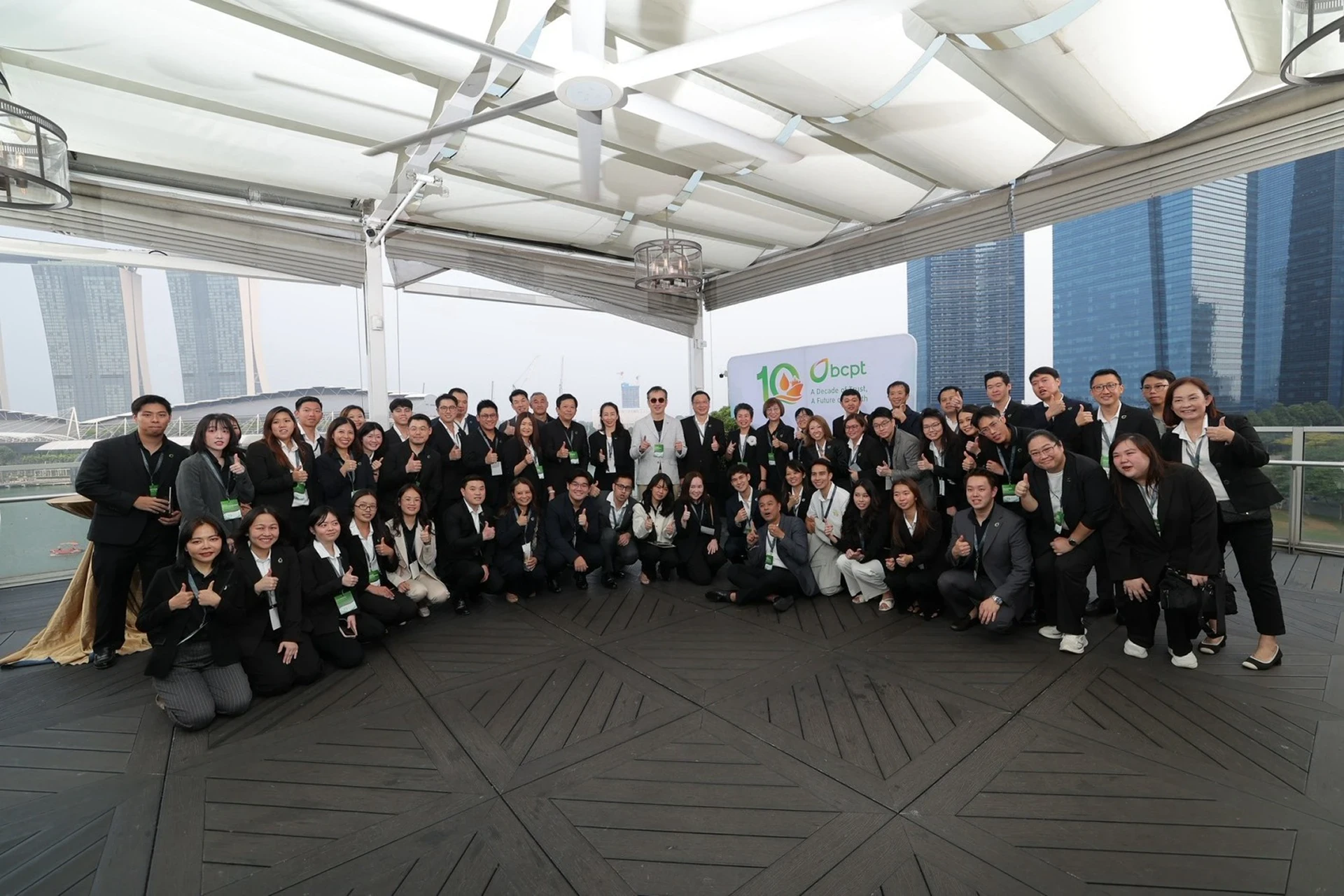
BCPT marked its 10th anniversary at an event in Singapore in September 2026 under the theme “A Decade of Trust, A Future of Growth”. To reflect on this milestone, Bangchak Reflection spoke with Nut Pooaree, Executive Vice President of Bangchak Corporation Public Company Limited, appointed to BCP Trading Pte. Ltd and BCPT FZCO. Having helped lay the foundations for BCPT, he reflected on the company's first decade, from building trust with trading partners and expanding into international markets to developing the team behind the business.
Opening Doors Through Trading Networks
BCPT was established to give Bangchak direct access to international crude oil markets.
Being based in Singapore, one of the region's major energy trading hubs, allows the company to connect directly with trading partners around the world. For Nut, however, location is only part of the picture. International trading also requires an understanding of how different markets operate and strong relationships with the key players in each market.
“The challenge in trading is not really about where we are based. Whether we're in Singapore or London, we can trade with partners around the world. But to enter a particular market, we need to know the players there. For example, trading marine fuels in Singapore means having connections with local players. China is also a large market with plenty of opportunities, but competition is strong. That is why knowing people and having a good network are so important.”
The network of trading partners BCPT has built over the past decade has created new business opportunities and given the company greater flexibility in sourcing crude oil for both refineries. When existing supply sources face constraints, BCPT can seek alternatives through partners in other countries, reducing dependence on any single source. Access to different markets and trading partners provides more options when disruptions affect established supply routes, helping to strengthen Bangchak Group's energy security and resilience.
Trust at the Heart of Trading
Building trust was one of BCPT's earliest challenges. Without a trading track record or bank credit facilities, the company relied on Bangchak's reputation, together with the team's experience and connections, to gain the confidence of trading partners and later secure facilities for letters of credit (LCs).
institutions. Over time, the company established itself in the market and secured bank facilities for letters of credit (LCs).
Securing these facilities, however, was only the beginning. In oil trading, some transactions are worth hundreds of millions of US dollars, and deals are often agreed over the phone before formal contracts follow. Given the sums involved, keeping one's word and honouring agreements are essential to building trust and maintaining long-term business relationships.
“Trading is a business built on trust and credit. If you give your word, you have to keep it. Once people stop believing what you say, doing business becomes difficult. That is why credibility is so important in trading.”
BCPT therefore places great importance on honouring commitments, carefully screening trading partners and managing risks prudently. At times, this means passing up opportunities for short-term profit to protect the trust built over the years.
Beyond Familiar Ground, Into New Markets
After four to six years in operation, BCPT recognised that relying solely on demand from Bangchak Group's refineries would limit future growth. Supplying the refineries remained an important part of the business, but further expansion required the company to generate revenue beyond those operations. BCPT therefore expanded into the wider market for crude oil and petroleum products, creating new opportunities to grow independently.
Moving into a broader, more competitive market also brought greater risks. Nut compares this stage of BCPT's development to moving beyond a familiar safe zone.
“We have grown gradually within our safe zone, like driving around the neighbourhood without ever taking the main road. But if we want to grow further, we must venture beyond familiar roads and onto the expressway, where the risks are greater. That does not mean taking risks recklessly. We need to proceed with caution, learn from mistakes and make sure they do not lead to excessive losses.”
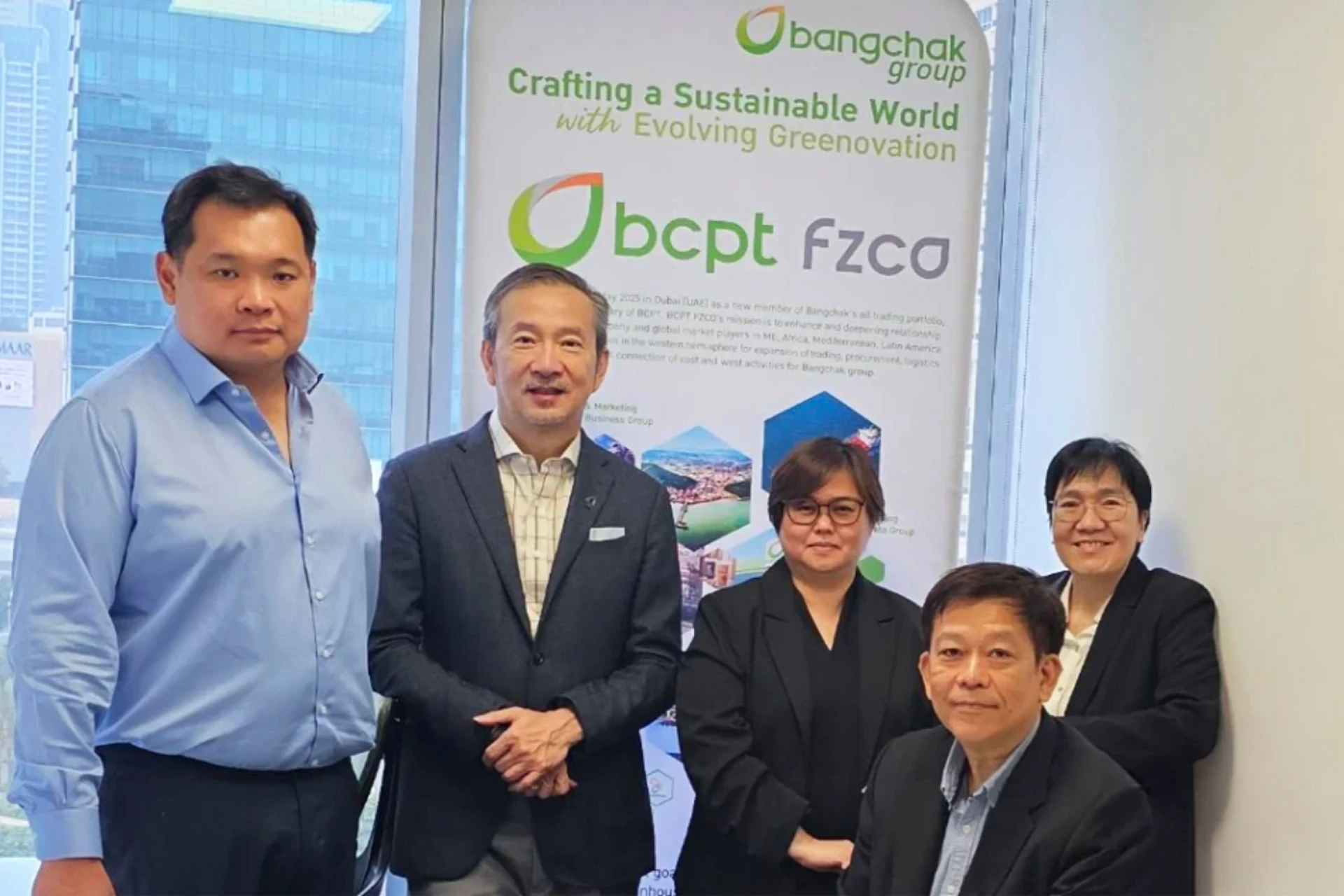
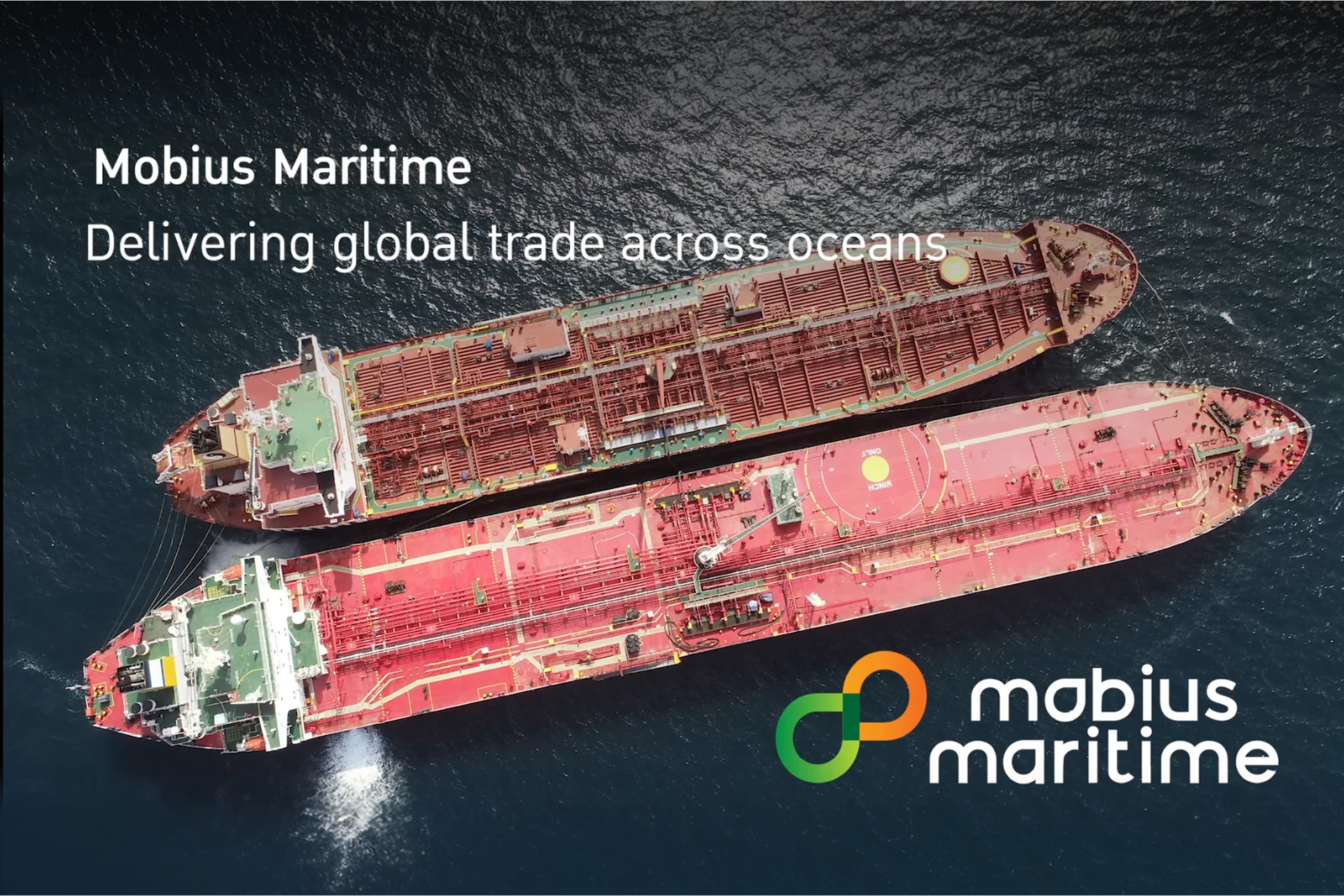
This approach can be seen in BCPT's expansion, including the establishment of BCPT FZCO in the United Arab Emirates in 2025, followed by Mobius Maritime in Singapore in 2026 to support maritime transport operations. BCPT is also exploring opportunities in overseas biofuel markets to broaden the business further.
Developing People, Sharing Knowledge and Networks
As BCPT's business continues to expand, Nut has also placed greater emphasis on developing people to grow alongside the company. His approach involves bringing in experienced professionals from overseas with both trading expertise and established industry connections to work alongside Thai colleagues. This gives Thai team members opportunities to gain knowledge and practical experience through day-to-day operations.
“In trading, getting to know people in the market and building a strong network take time. You can't simply hire or buy those relationships. That's why I bring people with both experience and industry connections into the team. This allows us to bring in both knowledge and networks, while our Thai colleagues work alongside them, like sponges absorbing both know-how and know-who.”
Nut's approach to leadership has also been shaped by the hands-on experience he has gained across different functions since BCPT's early days. He likens the role of a leader to that of an aircraft captain.
“The important thing is to know where you're taking your team, just as an aircraft captain knows the destination. There may be aspects of the work you only partly understand, and that’s when you turn to your team for advice. You don't have to be at the controls all the time, but if something goes wrong, you must be ready to take over. That means understanding the work well enough to do it yourself.”
A decade ago, BCPT relied on Bangchak's reputation to earn the confidence of trading partners. Today, the company has established a strong credit standing of its own, supported by an extensive network of partners and a team that has grown alongside the business.
With Bangchak Group aiming to triple the scale of its trading business by 2031, BCPT must continue to explore new markets, manage increasing risks and prepare its people for future challenges.
If the past decade was about building trust, the next chapter will be about preserving that trust and building on it to create new opportunities and sustain growth in global energy markets.

Three Essentials of Trading Nut Pooaree's Perspective

Honour commitments and maintain corporate credibility, as trust from trading partners and financial institutions is vital.

Build connections and strengthen relationships to create opportunities and improve energy sourcing capabilities.

Bring in experts and create opportunities for Thai colleagues to absorb both know-how and know-who.