

21 May 2026
ASEAN Common Carbon Framework Advances Regional Coordination and Moves Toward Practical Implementation
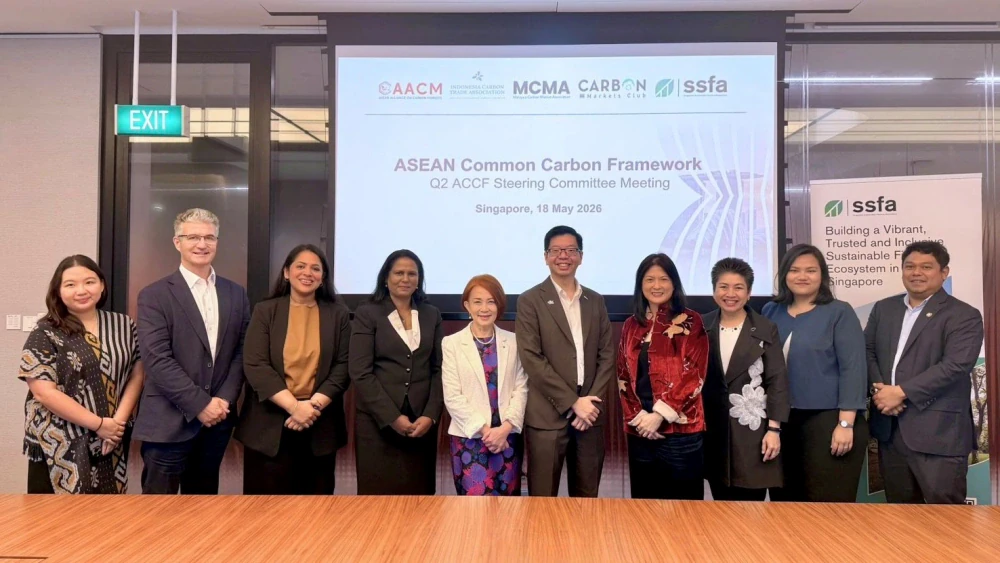
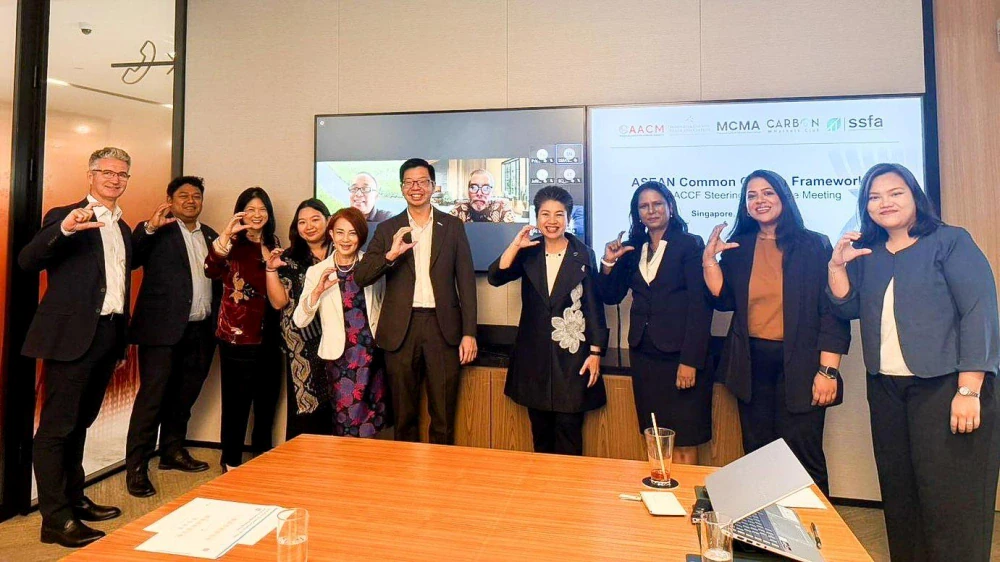
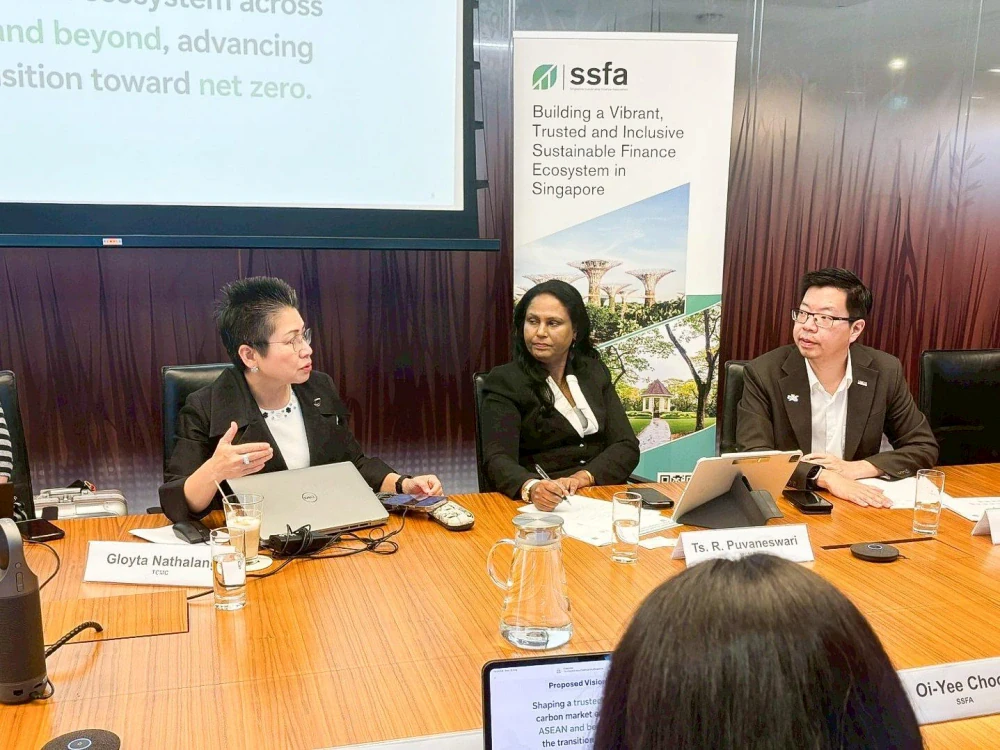
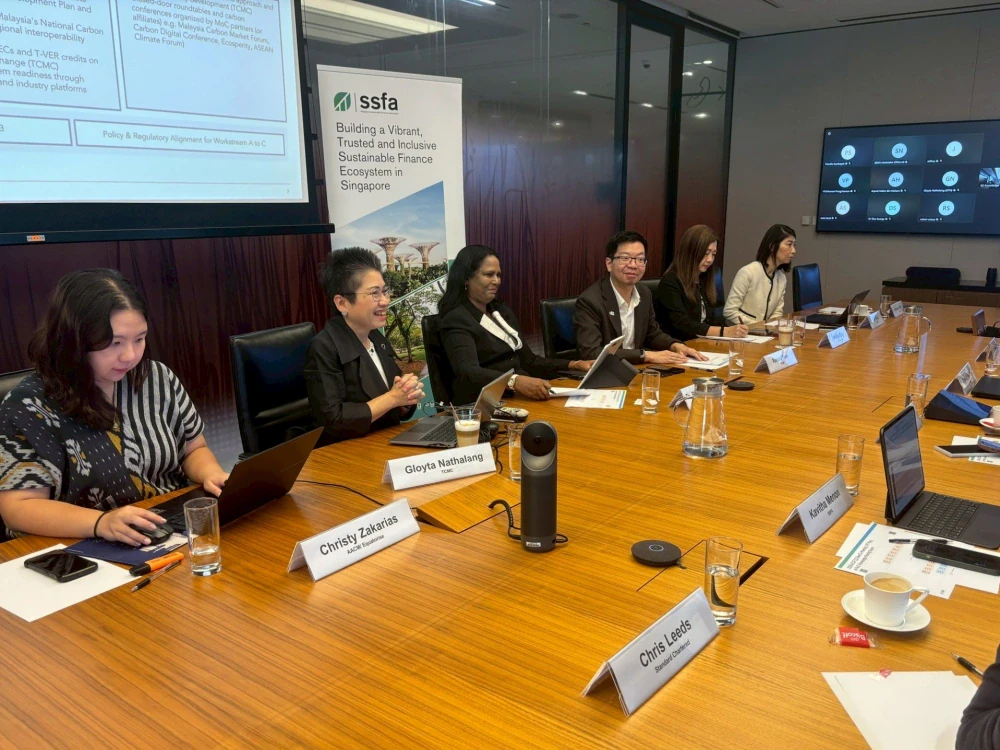
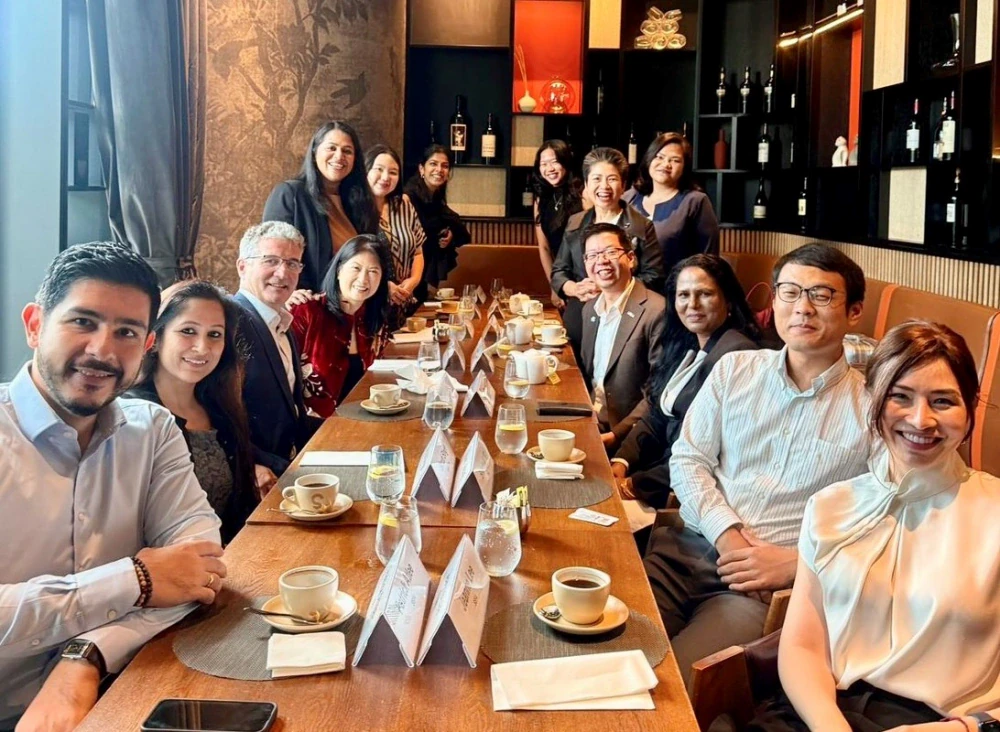
The ASEAN Common Carbon Framework (ACCF) continues to make steady progress in advancing high-integrity carbon markets across Southeast Asia, as member associations convene for the ACCF Steering Committee meeting in Singapore during Ecosperity Week 2026.
Since its inception, the ACCF has been gaining formal regional recognition. It was acknowledged in the Joint Media Statement of the 57th ASEAN Economic Ministers’ Meeting and the ASEAN Joint Statement on Climate Change to COP30, as well as cited by the ASEAN Capital Markets Forum in its Guidance for an ASEAN Voluntary Carbon Market. Over the past year, the ACCF has been supporting national and independent carbon standards that align with international quality benchmarks such as the Integrity Council for the Voluntary Carbon Market (ICVCM) and CORSIA, to strengthen the integrity and market acceptance of ASEAN carbon credit supply.
The ACCF’s work is anchored in three core areas: supply and demand, market infrastructure, and strategic communications and capacity building, supported by cross-cutting efforts in policy alignment and pilot transactions.
Across the region, member associations have contributed to this progress through complementary national and regional initiatives. The Indonesia Carbon Trade Association (IDCTA), the Malaysia Carbon Market Association (MCMA) as well as the Singapore Sustainable Finance Association (SSFA) have formally supported the Shared Principles under the Coalition to Grow Carbon Markets.
The Malaysia Carbon Market Association (MCMA) has supported the development of a more structured national carbon market ecosystem, including the launch of Malaysia’s National Carbon Market Policy in April 2026. The policy recognises the ACCF as a key enabler of regional interoperability and reflects growing alignment between national frameworks and regional coordination efforts. MCMA’s contributions also support the development of market infrastructure and policy alignment, helping to strengthen enabling conditions for cross-border carbon market participation.
The ASEAN Alliance on Carbon Markets has continued to support coordination across member associations, including advancing priority workstreams across supply and demand mapping, market infrastructure, and strategic communications. As part of the workstream on mutual recognition of methodologies under national crediting schemes, AACM and Fairatmos contributed to the development of a regional database of carbon project methodologies to support greater interoperability across ASEAN carbon markets. Continued engagement with policymakers, technical partners, and regional stakeholders, including through platforms such as the ASEAN Climate Forum, has further strengthened alignment and investment readiness.
The Singapore Sustainable Finance Association (SSFA) has advanced work on the development of the ‘Implementation Guide for Corporate Usage of High-Integrity Carbon Credits’. This was created in alignment to existing national and international frameworks, including the Voluntary Carbon Market (VCM) Guidance that the Singapore National Climate Change Secretariat (NCCS), the Ministry of Trade and Industry (MTI) and Enterprise Singapore jointly published in October 2025. The Guidance aims to provide practical steps and criteria to companies considering the usage of carbon credits to complement their decarbonization strategy. While developed in the Singapore context, the guidance offers a practical reference point for broader regional application, supporting more consistent market practices and strengthening demand signals across ASEAN.
The Indonesia Carbon Trade Association (IDCTA) has focused on advancing implementation through project development, market activation, and international collaboration, contributing to both supply development and market infrastructure. Ongoing efforts include feasibility studies on transition credits, particularly in relation to the early retirement of coal-fired power plants, as well as progress in carbon capture and storage (CCS) initiatives. IDCTA has also continued to convene market dialogues and industry platforms to strengthen ecosystem readiness, while engaging with regional and international partners to support project pipelines, pilot transactions, and cross-border cooperation. These efforts contribute to supporting the development of a scalable supply of high-integrity carbon credits.
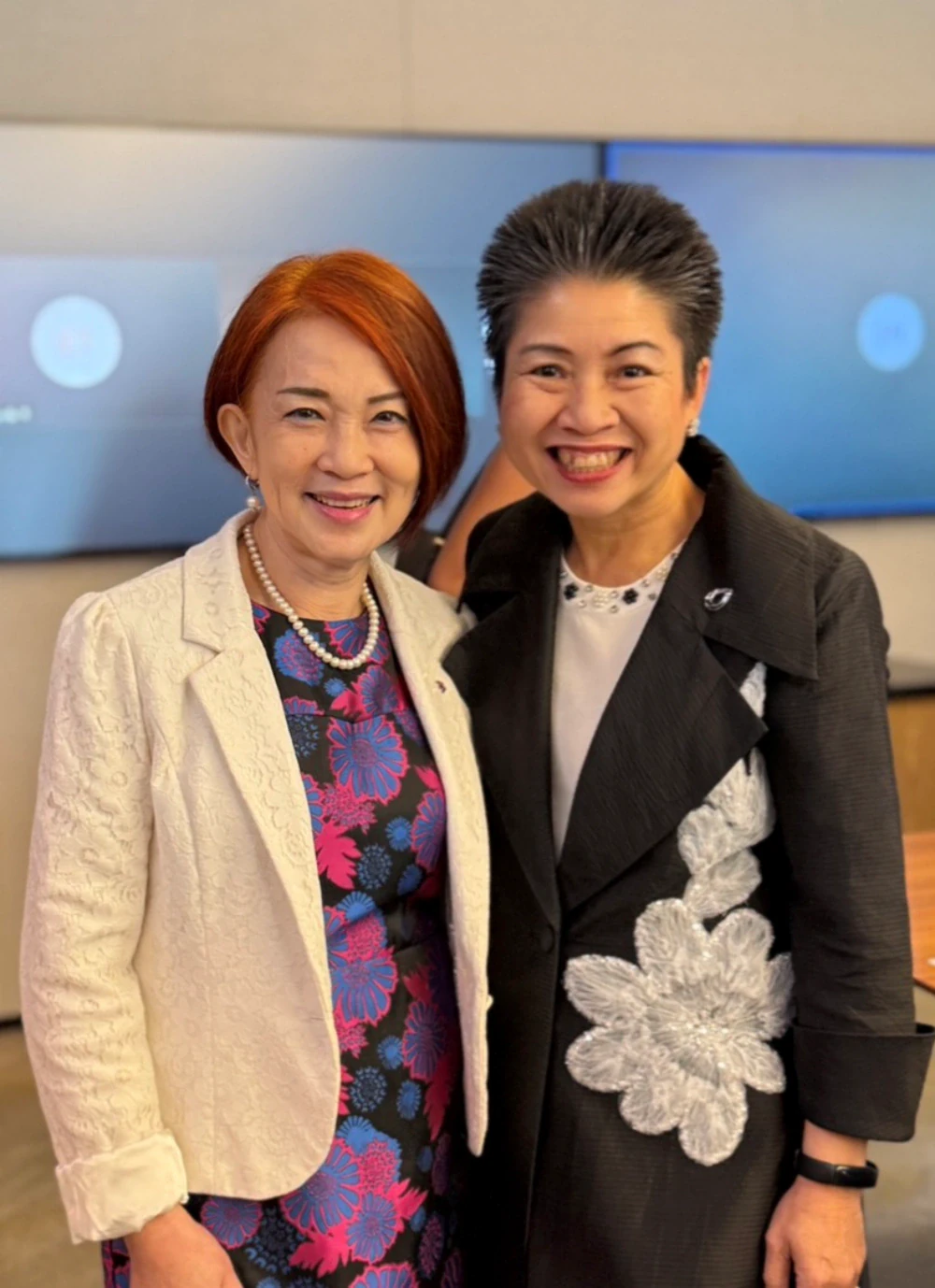
The Thailand Carbon Markets Club (TCMC), represented by Mrs. Gloyta Nathalang, Senior Executive Vice President, Sustainability Management and Corporate Communications, Bangchak Corporation Plc. and TCMC Chair, has supported early progress in cross-border market connectivity through its collaboration with the Macao Emission Exchange (MEX), including the first listing of Thai Renewable Energy Certificates (RECs) and T-VER carbon credits on an international platform. In parallel, ongoing developments such as the High Integrity Carbon Initiative (HACI), led by the Department of Climate Change and Environment (DCCE) in collaboration with the Thailand Greenhouse Gas Management Organization (TGO), continue to strengthen domestic market foundations and support alignment with evolving international expectations. TCMC also contributes to ACCF’s Strategic Communications and Capacity Building workstream, including the development of a structured communication approach and Corporate Identity to support coherent regional engagement.
Collectively, these developments reinforce the ACCF’s role as a regional coordination platform that supports alignment across diverse national systems while enabling a gradual pathway toward interoperability. The objective is not uniformity, but the ability for different systems to connect in a credible and efficient manner.
Looking ahead, the ACCF will continue to prioritise practical implementation across its workstreams, including pilot transactions, policy alignment, and capacity building. These efforts aim to strengthen trust in ASEAN-origin carbon credits, facilitate cross-border collaboration, and support the region’s broader climate objectives.
As part of this next phase, the ACCF will also ensure continuity in leadership and coordination, with member associations working collectively under a rotating structure to sustain momentum and deliver on shared priorities. The Q2 Executive Committee meeting, hosted by SSFA, was particularly significant as it marked the handover of the ACCF chairmanship from MCMA to SSFA commencing in H2 of this year. The ACCF will also continue to explore broader regional engagement with additional ASEAN stakeholders to support the development of a more connected and inclusive carbon market ecosystem.